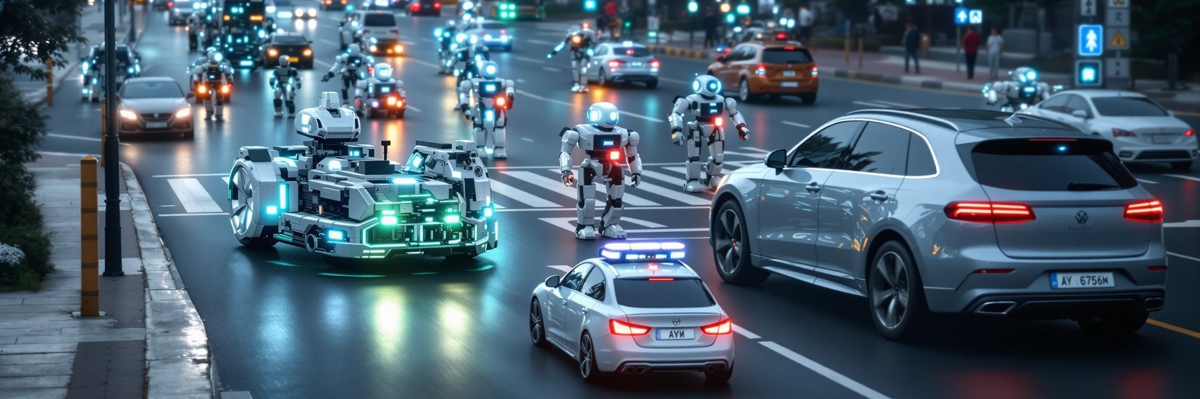
How can AI be used to improve content creation and marketing strategies?
How Can AI Be Used to Improve Content Creation and Marketing Strategies?
AI can significantly enhance content creation and marketing strategies by automating tasks, increasing personalization, and generating data-driven insights. Through tools like natural language processing (NLP), machine learning, and predictive analytics, AI helps brands create compelling content, reach the right audiences, and optimize campaigns for better performance.
—
What Is the Role of AI in Content Creation and Marketing?
AI (Artificial Intelligence) refers to systems or algorithms that simulate human intelligence, enabling machines to perform tasks like writing, analyzing, and decision-making. In the context of content marketing, AI technologies serve to simplify content production, personalize marketing efforts, understand consumer behavior, and maximize return on investment (ROI).
Definition Box: AI in Content and Marketing
> **AI for content creation and marketing** refers to leveraging artificial intelligence technologies (such as natural language processing, generative AI, and machine learning) to automate, optimize, and personalize the entire content lifecycle—from ideation to distribution and performance analysis.
—
How Does AI Improve Content Creation Workflows?
AI-driven content creation combines speed, scalability, and quality. Here’s how:
1. Automated Content Generation
– **Content Writing Assistants:** Tools like ChatGPT, Jasper, and Copy.ai generate articles, product descriptions, and ad copy based on prompts.
– **Language Translation:** AI-powered translators can localize content for global audiences.
– **Video & Image Creation:** Systems like Canva’s Magic Write and Synthesia produce visuals or videos from text instructions.
2. Enhanced Content Ideation
– **Topic Discovery:** AI analyzes trending topics, search trends, and competitor content to suggest relevant subjects.
– **Keyword Research:** Tools like SEMrush and Ahrefs use AI to find high-potential keywords and topic clusters.
3. Editing and Proofreading
– **Grammar & Style Checks:** Grammarly and QuillBot proof content for clarity and correctness.
– **Tone and Readability Adjustments:** AI evaluates and refines language to suit target audiences.
—
How Can AI Personalize Content Marketing Strategies?
Personalization is crucial in modern marketing. AI enables deep personalization by:
– **Segmenting Audiences:** Machine learning models analyze user behavior, demographics, and interests to group audiences accurately.
– **Customizing Content:** AI tailors messages, recommendations, and offers in real-time across channels (email, social media, web).
– **Predicting User Needs:** Predictive analytics anticipate what readers or buyers want next, enhancing relevance.
Table: Key AI Tools for Personalization
| Tool/Platform | Function | Example Use Case |
|———————|——————————-|———————————-|
| Dynamic Yield | Website personalization | Personalized product suggestions |
| Persado | AI-generated messaging | Optimized email subject lines |
| Mailchimp | Predictive audience targeting | Automated email content |
| Salesforce Einstein | Predictive insights | Personalized recommendations |
—
What AI Techniques Are Used in Content Marketing Optimization?
Several AI techniques underpin modern marketing optimization:
– **Natural Language Processing (NLP):** Powers sentiment analysis, topic extraction, and content summarization.
– **Machine Learning:** Identifies user segments, predicts trends, and suggests optimal posting times.
– **Generative AI:** Creates new content (text, images, even videos) based on learned patterns.
– **Predictive Analytics:** Estimates future campaign performance from historical data.
—
In What Ways Does AI Enhance Marketing Campaign Performance?
AI augments campaign performance in these ways:
1. Real-Time Data Analysis
AI analyzes engagement metrics (clicks, shares, conversions) as campaigns run, offering actionable recommendations.
2. Automated A/B Testing
AI tests different headlines, visuals, and messages, then automatically optimizes based on real-time data.
3. Content Distribution Optimization
AI tools (like Buffer and Hootsuite) schedule and distribute content at the best times for each audience, maximizing reach.
4. ROI Measurement
AI analytics track customer journeys across channels, connecting content exposure to business results.
—
What Are Some Examples of AI-Driven Content Creation and Marketing?
Entity-based examples include:
– **OpenAI’s GPT-3 / GPT-4:** Generates blog posts, articles, and answers FAQs automatically.
– **HubSpot Content Strategy Tool:** Uses machine learning to suggest content pillars.
– **Google Analytics Intelligence:** Provides AI-powered insights for marketing campaign performance.
—
What Are the Challenges and Ethical Considerations of Using AI in Content Marketing?
Ethical Considerations
– **Bias and Accuracy:** AI can inadvertently perpetuate biases or generate inaccurate content if not trained responsibly.
– **Originality:** Excessive automation may lead to generic, duplicate, or less authentic content.
Operational Challenges
– **Human Oversight:** Successful AI content requires human review and strategic input.
– **Cost and Integration:** Implementing advanced AI often requires investment and tech expertise.
—
How Do Brands Integrate AI into Their Marketing Strategies?
Brands can adopt AI in phased steps:
1. Identify repetitive or data-heavy content tasks.
2. Select AI tools suited to your industry and needs.
3. Train teams on AI adoption and ethical content guidelines.
4. Blend AI outputs with human creativity and oversight.
5. Continuously monitor results and refine strategies.
—
What’s the Future of AI in Content Creation and Marketing?
As technology advances, brands will increasingly:
– **Leverage multimodal AI** for text, images, video, and audio content creation.
– **Use AI-driven predictive personalization** for hyper-targeted campaigns.
– **Rely on conversational AI (e.g., chatbots, voice assistants)** for real-time customer engagement.
—
FAQs: AI, Content Creation, and Marketing
1. How does AI-generated content differ from human-created content?
**AI-generated content** can be produced faster and scaled easily, but may lack the depth, creativity, and nuanced understanding humans provide. Blending both ensures quality and authenticity.
2. Can AI help with SEO and content optimization?
Yes, AI analyzes keyword trends, optimizes meta descriptions, and evaluates competitor strategies, helping improve rankings and visibility.
3. What are examples of AI tools for content generation?
Popular tools include OpenAI (ChatGPT), Jasper, Copy.ai, Grammarly, and Frase.io.
4. Does AI make content more engaging?
AI-powered personalization adjusts content for individuals, increasing relevance and engagement metrics (e.g., click-through rates, time on page).
5. Are there risks in using AI for marketing content?
Potential risks include over-automation, lack of originality, content bias, and possible misalignment with brand voice without proper oversight.
6. How can small businesses leverage AI in their content marketing?
Small businesses can use inexpensive AI tools for social media scheduling, automated writing, and email personalization to compete with larger brands.
7. Will AI replace human marketers and writers?
While AI automates many tasks, creativity, empathy, and strategic thinking remain uniquely human skills—AI is a tool, not a replacement.
—
Conclusion
AI empowers businesses to create, optimize, and distribute impactful content faster and more efficiently than ever before. By automating repetitive tasks, personalizing interactions, and unlocking new insights, AI is transforming content marketing strategies—enabling brands to better understand their audiences, measure results, and stay ahead in a competitive landscape.
—
“`